Esixz: Plain-English explainers for online privacy, security, and streaming
Welcome to Esixz, a home for clear, no-fluff explanations about how virtual private networks, privacy tools, and online safety work in real-world use. We cover practical topics readers care about: how to set up VPNs, compare popular services, learn about streaming access, and understand privacy basics without jargon. This home page introduces the kinds of content you’ll find here and how we frame matters for a broad, international audience that often uses USD pricing and recognizable brands.
What you’ll find across Esixz includes several core clusters. First, practical setup and usage guides that translate technical steps into straightforward actions, such as how to install browser extensions, configure per-app VPNs, or verify speeds with standard tests. Second, product comparisons that help readers distinguish features, pricing, and plans across leading providers like NordVPN and ExpressVPN, including bundle options with password managers or security suites. Third, privacy and security explainers that demystify terms such as data leakage, split tunneling, kill switches, and jurisdiction-based privacy laws. Fourth, streaming and geo-access explainers that clarify how to engage with regional libraries while staying compliant with service policies. Fifth, device and platform coverage, from Windows and macOS to iOS, Android, and the browser ecosystem, with practical gotchas and workarounds. Sixth, troubleshooting and performance optimization focused on common blockers such as network errors, DNS leaks, or VPN blocks that affect gaming, video calls, or large downloads.
Key topics you’ll encounter on this page include:
VPN basics and how different architectures affect speed and privacy.
Service comparisons with neutral, price-aware analysis of plans, features, and limits.
Streaming access and how regional libraries influence what you can watch, with safe, legal approaches.
Privacy laws and policy basics framed for a general audience, with emphasis on user rights and data practices.
Setup and day-to-day use including extensions, per-app VPNs, and device-specific tips.
Troubleshooting steps for common connection and compatibility issues across platforms.
We speak plainly about what matters to real users. When you see prices, expect USD as the reference currency, but the guidance is universal for readers worldwide who encounter American, European, and other market practices. We reference familiar service names such as NordVPN and ExpressVPN to anchor comparisons without bias toward a single region.
Layout and orientation on this page reflects a practical workflow: quick-start tips, then deeper dives into how services compare, followed by how-tos for common tasks. It also highlights local considerations that matter in everyday decisions. Below is a structured snapshot of how we organize information for quick scanning and thoughtful understanding.
Country-specific context and practical realities
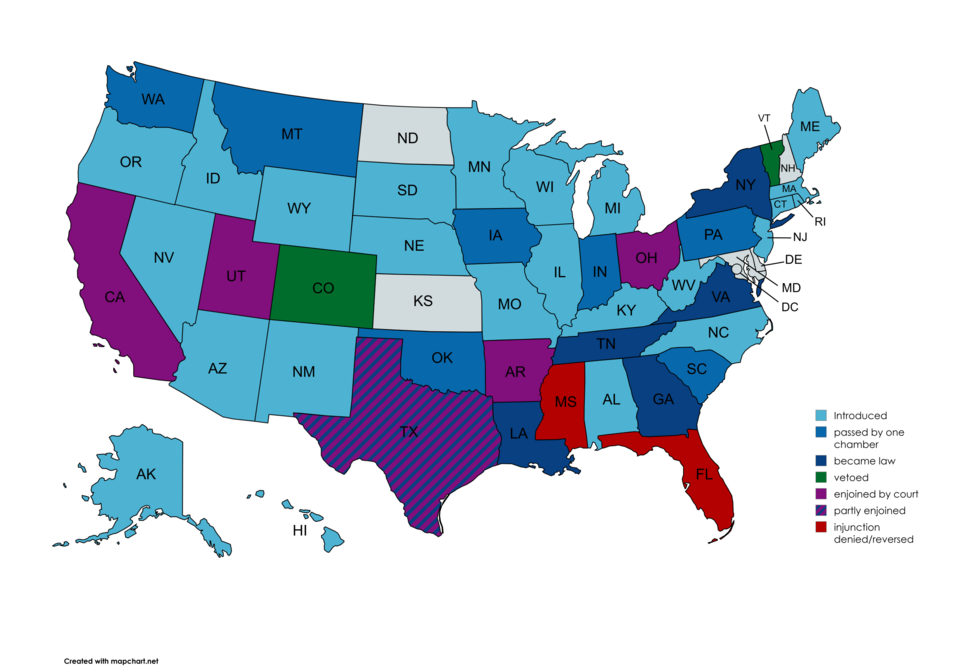
Social media age verification laws in the United States (Autor: Squidyyy · Licencia: CC BY-SA 4.0 · Fuente: Wikimedia Commons)
Although Esixz speaks to a general audience, we include concrete, country-relevant details that readers in the United States and other markets will recognize. Local connectivity realities, payment methods, and regulatory touchpoints shape how you use privacy tools in daily life. For example, in the U.S. and many other markets, major ISPs such as Comcast Xfinity, AT&T, and Charter Spectrum deliver fiber and cable access with typical download speeds ranging from 100 Mbps to 2 Gbps in urban centers. Real-world user experiences often hinge on factors like router performance, home networking equipment, and whether a supplier enforces traffic shaping.
Pricing references frequently anchor in USD, with typical annual or multi-year plans advertised in the 69–99 USD per year range for standard VPN access, and higher tiers offering added features such as password managers or data breach monitoring. When evaluating bundles, we consider how addons affect total cost and value: a standalone VPN with a password manager might sit around 60–80 USD per year, while a combined security suite could approach 100 USD annually depending on features and device counts.
We also ground guidance in recognizable, region-neutral service patterns. For instance, NordVPN’s bundling options show how security and convenience can intersect, with optional add-ons like a password manager or advanced threat protection. ExpressVPN’s general approach illustrates a balance of device compatibility and streaming-friendly performance. In this orientation, we reference these brands as familiar anchors rather than endorsements.
Within the United States, privacy regulators and consumer protections shape expectations for data handling. We point readers toward general principles such as clear consent, transparent data practices, and the right to privacy notices. While not legal advice, our explainers help readers recognize when a privacy claim warrants closer scrutiny.
In practical terms, readers will encounter country-specific tools and services. Local payment methods like credit cards, PayPal, or regional solutions may appear in checkout flows. If you’re using a VPN to access content from another country, ensure you’re mindful of the terms of service for the streaming platform and the local laws governing data and surveillance. Our aim is to provide grounded, actionable knowledge that translates across borders.
Finally, Esixz keeps a firm eye on accessibility and clarity. We prioritize plain language, measured recommendations, and transparent comparisons. The page you’re reading serves as a gateway to deeper, topic-specific sections that explore each thread with careful attention to how people actually use technology in daily life.
Why Esixz exists and how we work
Esixz is built to demystify digital tools with a practical, no-nonsense voice. We avoid jargon when simple language suffices and favor concrete examples, real-world scenarios, and solid, testable guidance. We aim to be the first stop for readers who want to understand what a VPN does, how to measure performance, and what choices matter when selecting a service. Our pieces reflect the realities of a broad audience that includes students, remote workers, home entertainment enthusiasts, and privacy-conscious readers who value transparency.
We commit to fresh, timely coverage. The top posts highlighted on this page reflect ongoing discussions around urban VPN concepts, browser extension usage, and the evolving landscape of pricing and features. Readers should expect updates as new services launch, policies change, and streaming platforms adjust their access controls.